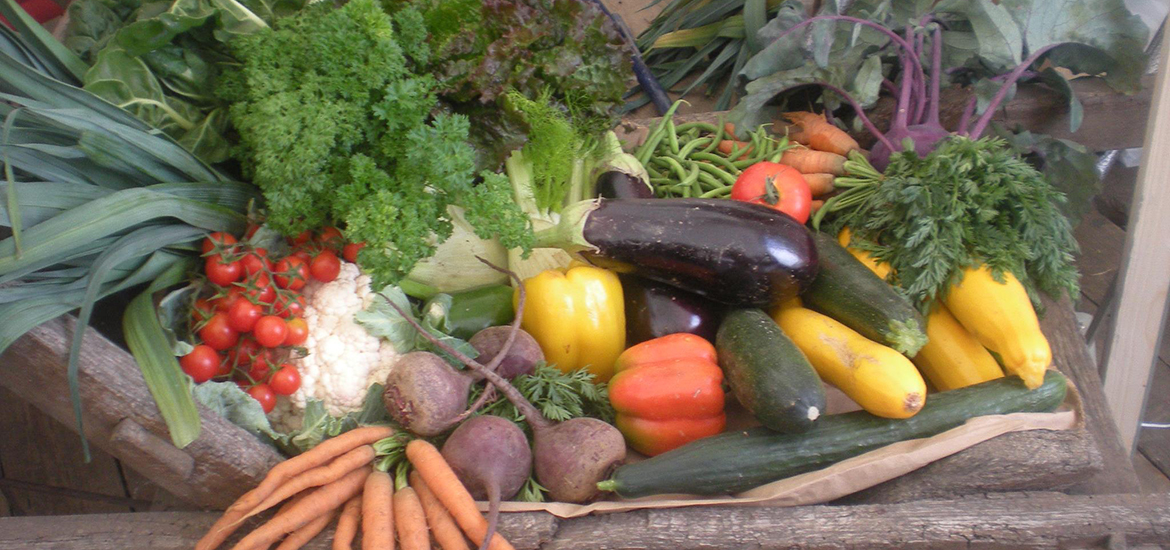
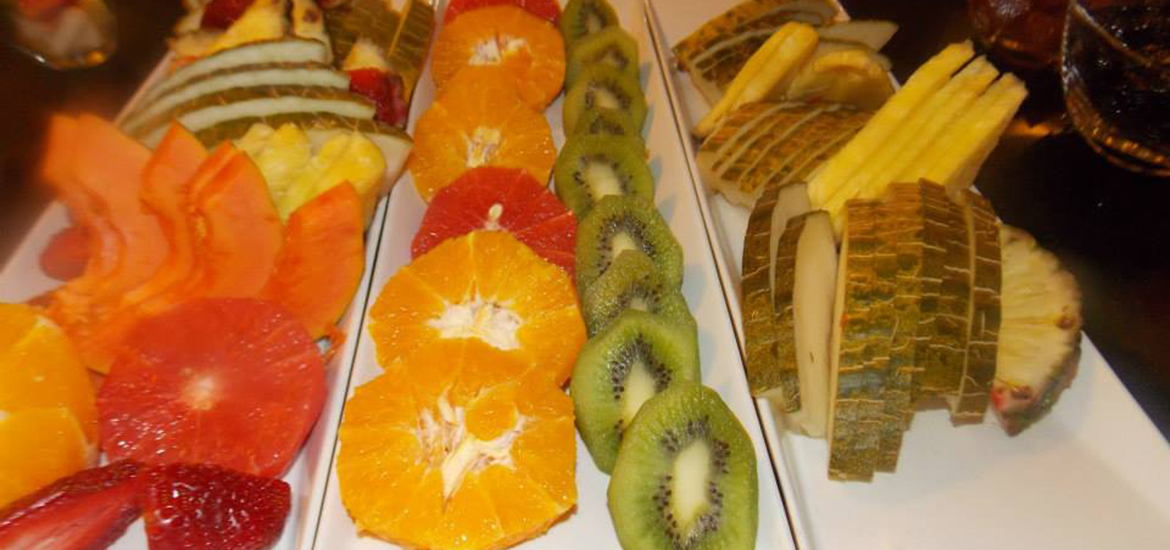
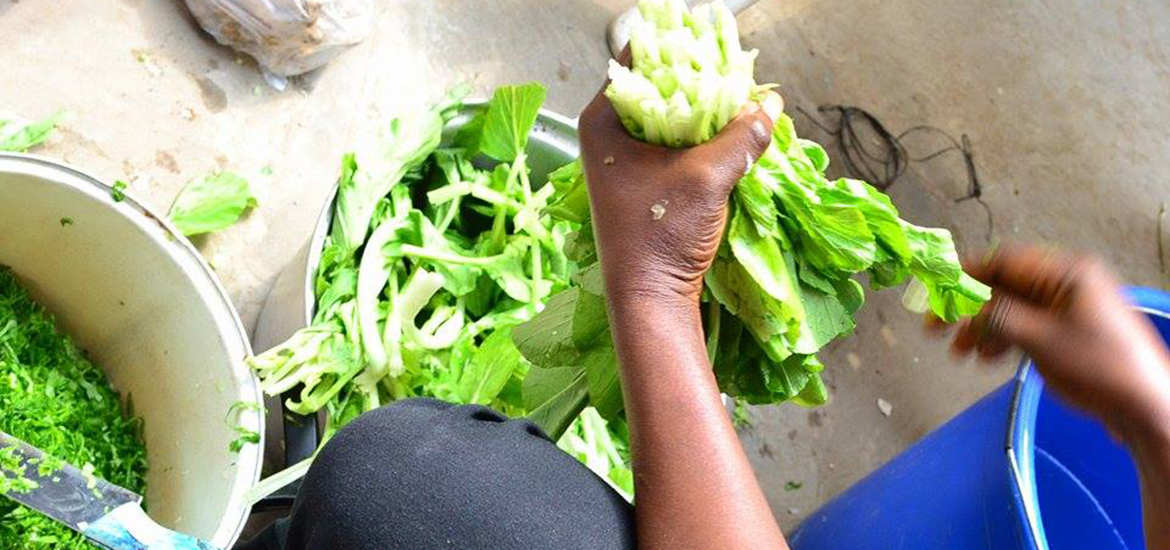

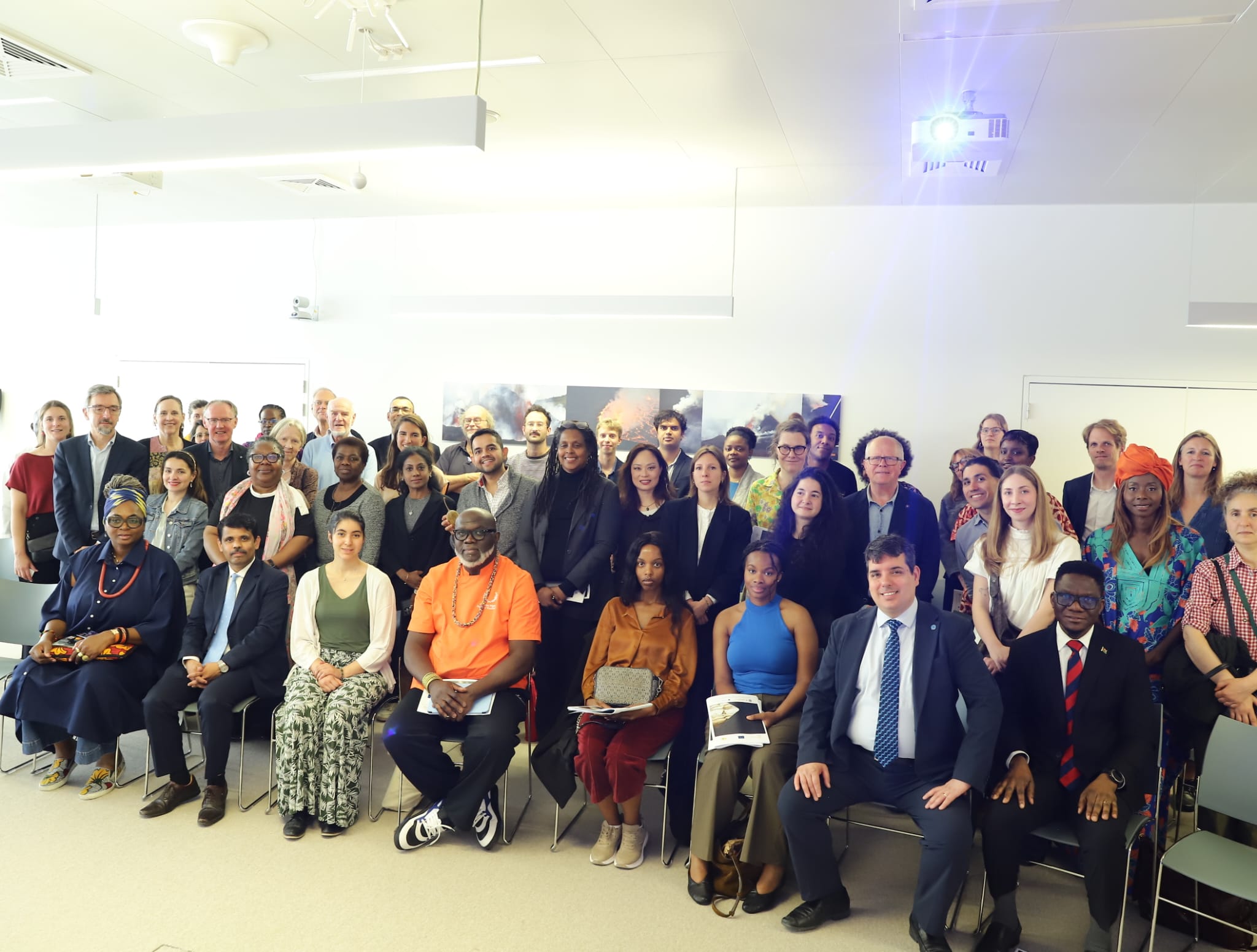
We sincerely thank all the speakers and participants who joined the Collective Action on Forgotten Foods event, Tasting the Forgotten. The event brought together policymakers, researchers, entrepreneurs, chefs, and community actors to explore the growing importance of Neglected and Underutilized Species (NUS) in building resilient and inclusive food systems.
One strong message that echoed throughout the discussions was that advancing the NUS agenda requires collaboration across sectors and communities. Speakers highlighted the need for multi-stakeholder partnerships that connect farmers, researchers, policymakers, entrepreneurs and market actors , to strengthen production, consumption and market access for indigenous crops.
The panelists emphasized that NUS are essential for improving nutrition, strengthening local food systems, enhancing biodiversity and also supporting food sovereignty.There is need for indigenous crops to be integrated into national food and agricultural policies, while also benefiting from value addition and access to local, diaspora and international markets. Beyond their nutritional value, Forgotten Foods are also functional foods with strong cultural significance. Chefs, food innovators and researchers stated that indigenous ingredients can inspire new cuisines, products and healthy diets while preserving culinary heritage.
A major concern among participants during the event, was the need to ensure that the commercialization of NUS does not make them inaccessible to the communities that have cultivated and preserved them for generations. Participants stressed that local communities should remain central to shaping future initiatives and benefit equitably from emerging opportunities.
In her welcome remarks, Joanna Kane - Potaka, Secretary General of GFAIR, emphasized the importance of the event in line with GFAIR current focus on inclusive and equitable partnerships. This enables local and international scientists to work together to address today’s food challenges. She encouraged participants to actively engage in GFAIR’s Collective Actions, which promote practical collaboration and innovation across the global food system.
Christophe Larose, Head of Sector for Sustainable Agriculture at the European Commission, delivered a keynote highlighting the transformative potential of Forgotten Foods. He underscored their role in food security, nutrition, biodiversity conservation, agroecology and social inclusion. He also called for stronger political commitment to place these crops on local, national and global agendas. Importantly, he recognized the important role of women as custodians of indigenous crops and traditional food knowledge.
Nico Wilms-Posen of Crop Trust highlighted the relevance of NUS in creating sustainable food systems and improving diet diversity. He shared examples of Crop Trust’s work with African stakeholders to scale up and add value to opportunity crops and indigenous food species, including ongoing calls and initiatives supporting crop diversity and resilient food systems.
The event also benefited from contributions by Patrick Van Damme and Chef Christian Abegan, whose perspectives reinforced the importance of connecting science, culture, gastronomy and local knowledge in the promotion of Forgotten Foods. An important contribution also came from Dr Samy of the Indian Embassy, who reflected on the rapid loss of crop diversity worldwide. He noted that, in the pursuit of food security through green revolutions, national policies can unintentionally accelerated the decline of indigenous crops. This makes it increasingly important to embed NUS into national agricultural and food policies.
The panel discussions and participants contributions, strongly aligned with ongoing European and global initiatives on agroecology and biodiversity, including the European Commission’s work on agroecology and biodiversity-friendly agriculture, as well as the EU Biodiversity Strategy for 2030.
This event reaffirmed that Forgotten Foods are not a niche topic, but a pathway toward healthier diets, resilient food systems, biodiversity conservation, and more equitable futures.
Compendium
Upcoming Events
-
 10th African Diaspora Agrofood Forum
23-10-2026 10:00 am
Food Bridge Events
The Helping Hand Project
In collaboration with Kwabre Ne Sekyere Belgium,Mfantesman vzw,Voice of Women International, Kente FM and other African organizations, we are organizing "The Helping Hand project",is an action started in 2016, aimed at feeding the homeless in the Brussels area. We are in need of volunteers to help with the cooking, packing and distribution of food to the homeless and needy. We are also still looking for sponsors for this project. We do not accept funds but prefer sponsorship in the form of donations of desired food items, food packaging materials. if you are interested in giving a helping hand, contact us on This email address is being protected from spambots. You need JavaScript enabled to view it.
Latest News
 During the Tasting the Forgotten Foods event, one of the highlights was the official launch of the... More detail
 From 15–17 March 2026, the international food industry will gather again at Tavola 2026, hosted... More detail
 The 14th edition of the Gent Smaakt Food Festival will take place from 13 to 17 May 2026. Gent... More detail
 For the first time, two visionary women have been jointly honored as the 2025 African Diaspora... More detail